We just got back from a week in Japan for school autumn break with our kids DS10 and DD13. We flew in and out of Tokyo, but also did a side trip by bullet train to Kyoto for 2 nights. The weather was perfect–60s and low 70s with clear skies! It was a welcome break from the heat and humidity of Hanoi. This post will focus on Tokyo.
Here’s our basic itinerary:
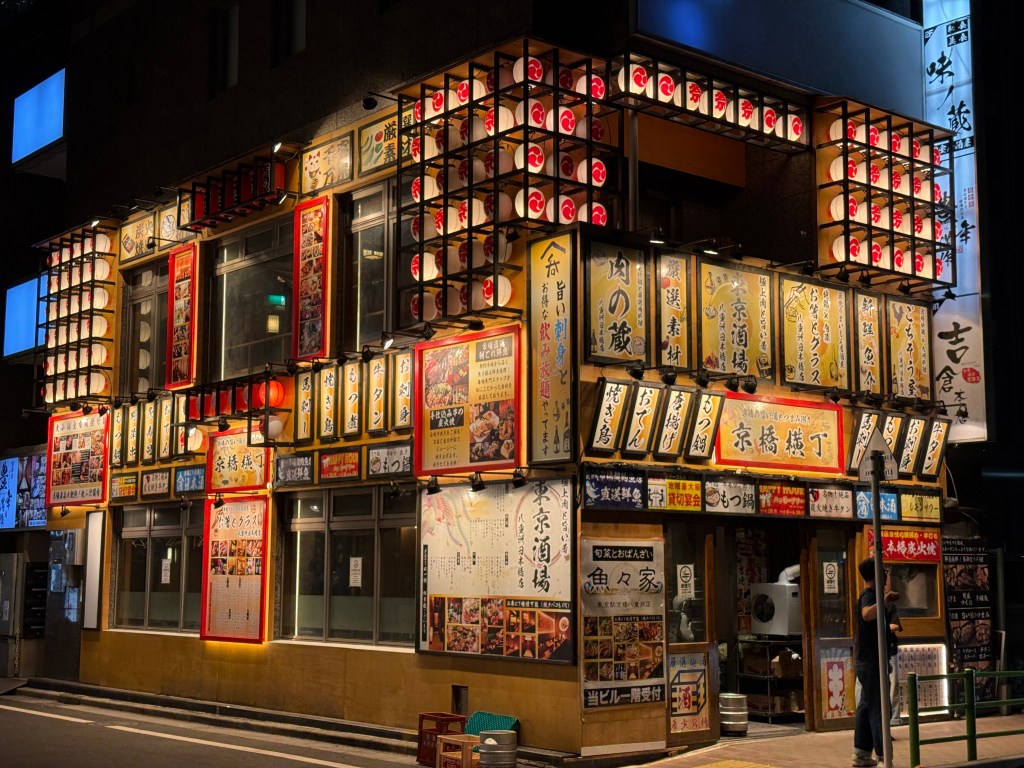
Day 1-Land at Haneda (closer and easier than Narita if your flight schedule allows), hotel check-in, dinner nearby and a night walk
Day 2-teamLab Planets morning (tickets required and book early!), Toyosu Park and playground, Odaiba–DiverCity Mall, Soya boat tour, Odaiba waterfront walk, walk across the Rainbow Bridge, rest at hotel, Kobe Wagyu dinner
Day 3–Senso-ji Temple and Asakusa, SumoLand Tokyo Signature (lunch and show), Meiji Jingu Shinto Temple, Shopping time, Shibuya Scramble Crossing, dinner
Day 4–early bullet train to Kyoto, Nijo Castle, Imperial Palace (unfortunately it was randomly closed), Arashiyama Bamboo Grove and Tenryu-Ji Temple gardens and exploring area near Togetsukyo Bridge and Katsura River
Day 5–Fushimi Inari hike, Ninenzaka Street, Yasaka Pagoda, chopstick making class, walking around Gion on Hanamikoji Street and Pontocho Alley, Nishiki Market
Day 6–Samurai and Ninja Museum tour and experience, walk around area, bullet train back to Tokyo
Day 7–Mt Fuji Day Trip with 5th Station, Oishi Park, Lake Kawaguchiko
Day 8–final shopping and flight home
Tokyo Lodging
We stayed at Karaksa Hotel Tokyo Station and would recommend it, particularly if you need sleeping for 4 and convenience to bullet trains. We did book on Booking.com rather than through the hotel directly because the price was better.
Karaksa offers both Western style beds and Japanese style beds, so read the room descriptions carefully. We were in the Family Fourth, which is 4 Western twin beds. There was also a long counter with a large TV, a mini fridge, small table, and the bathroom. The toilet was a separate room from the shower. The toilet room had a tiny sink and the shower room had a more typical hotel sink. Both were small spaces, but having both spaces separate allowed for easier getting ready with 4 people. Beds were fairly comfortable and the AC worked well.
The hotel will hold your luggage if you depart and return for another reservation, arrive early and want to drop it off, or need to pick it up later in the day. They held ours while we were in Kyoto as we were returning to the hotel and that worked well so we could travel to Kyoto with smaller bags.
The hotel offers breakfast for 1,000 yen or about $6. We did the breakfast one morning and it was decent but not something we repeated. Take a look at the options before paying.
They did offer free snacks and beverages later in the day. We loved grabbing a little scone on our way back from sightseeing.
The location was also convenient as it was very close to the Tokyo Train Station for bullet trains or local train/subway travel. It was also closer to other stations, so we often had direct lines to destinations.
PreBookings
Many restaurants benefit from reservations. Don’t assume you’ll be able to walk in and find food, particularly at dinner time.
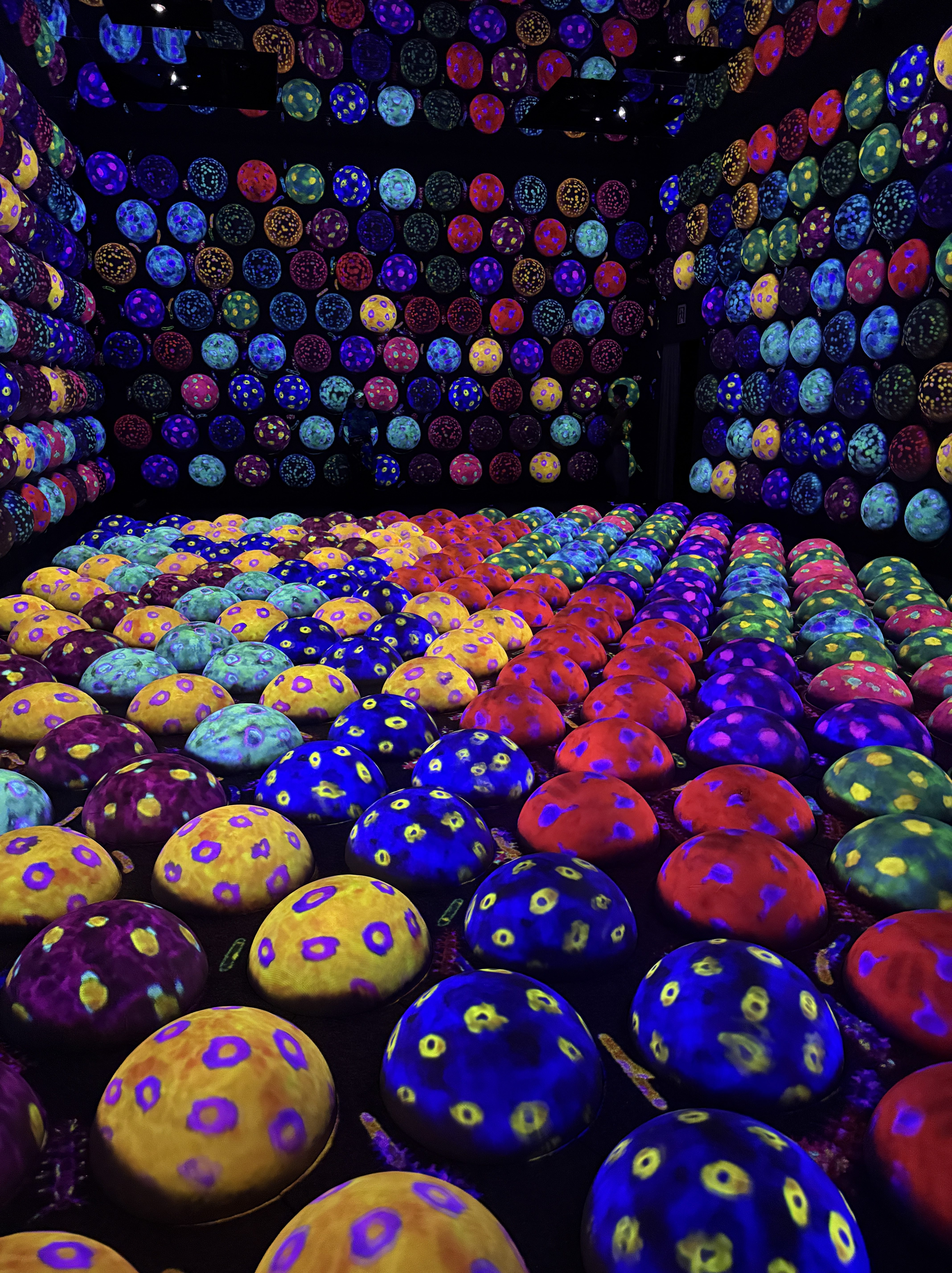
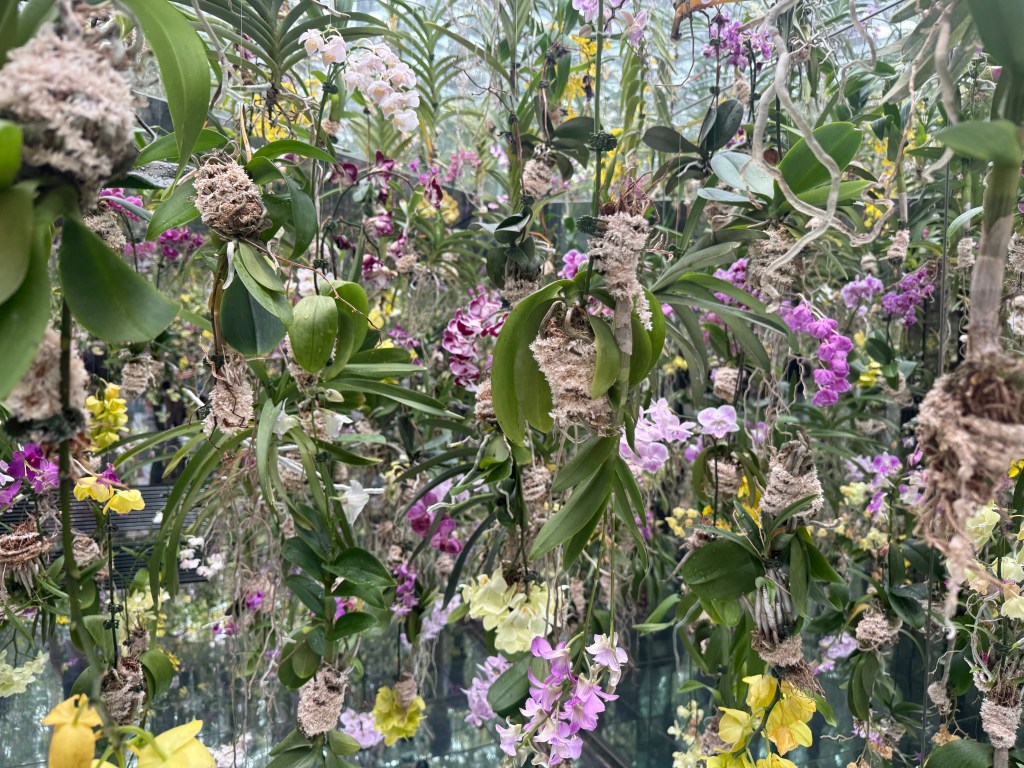
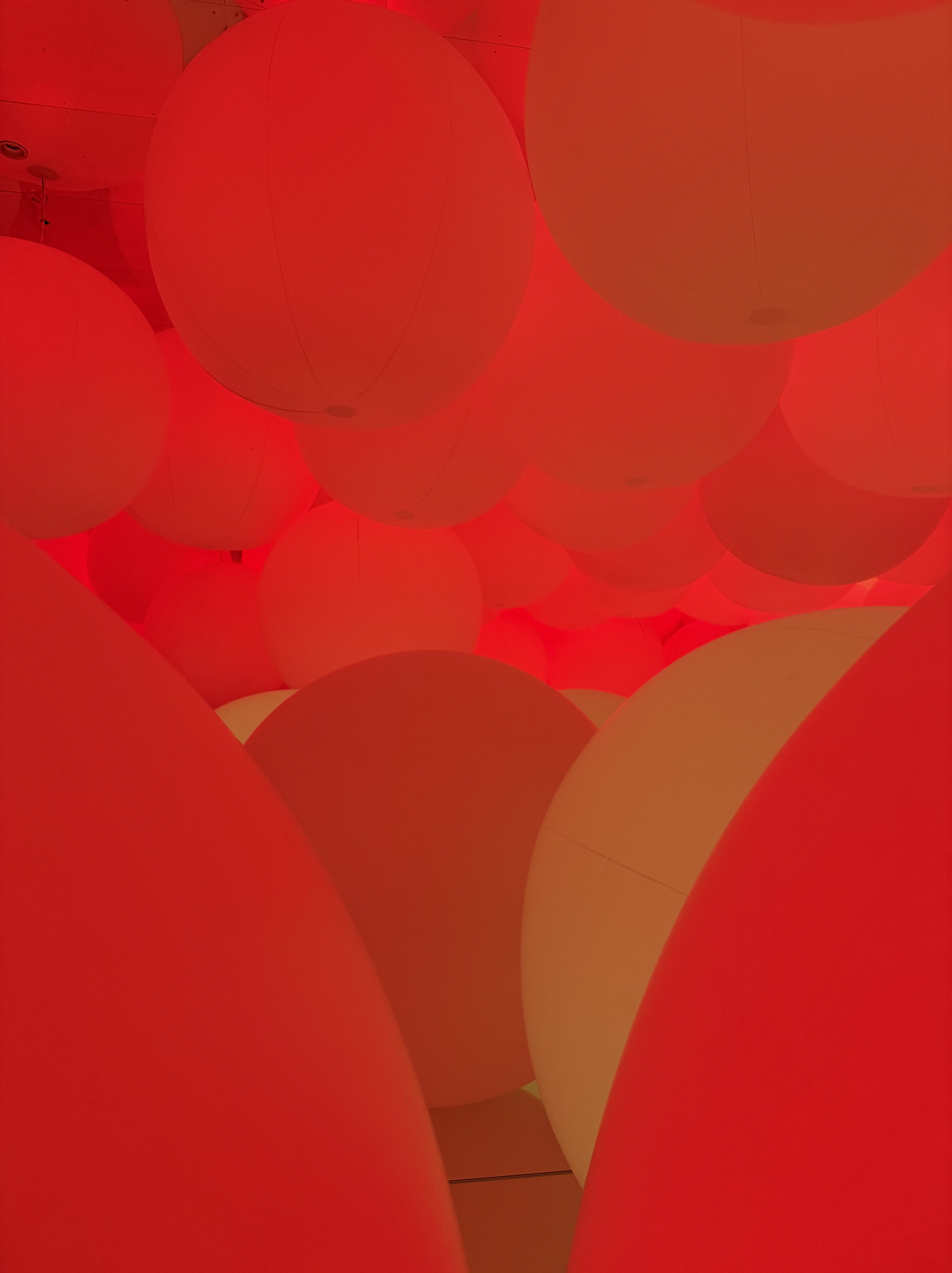
TeamLab Planets is a super cool interactive art museum that is a bit trippy and different from anything I’ve seen before. It fills up fast, so plan on booking tickets as soon as you plan your trip and book those before other things. Timed entry is every 30 minutes. I suggest being in the first or second group if possible (8 or 8:30) so you have smaller crowds. It did start to fill as our visit progressed. One section of it is called Water and you take off your shoes and socks and roll up your pants to your knees as some of the exhibits involve going in the water. Wear clothes that allow that, though you can borrow shorts from them if needed. I’d start with the Active Forest section as that fills and waiting in line is less fun for kids. We got there early and were able to repeat several activities with no wait. There is also a location in Kyoto, so that’s an option instead if you go there.
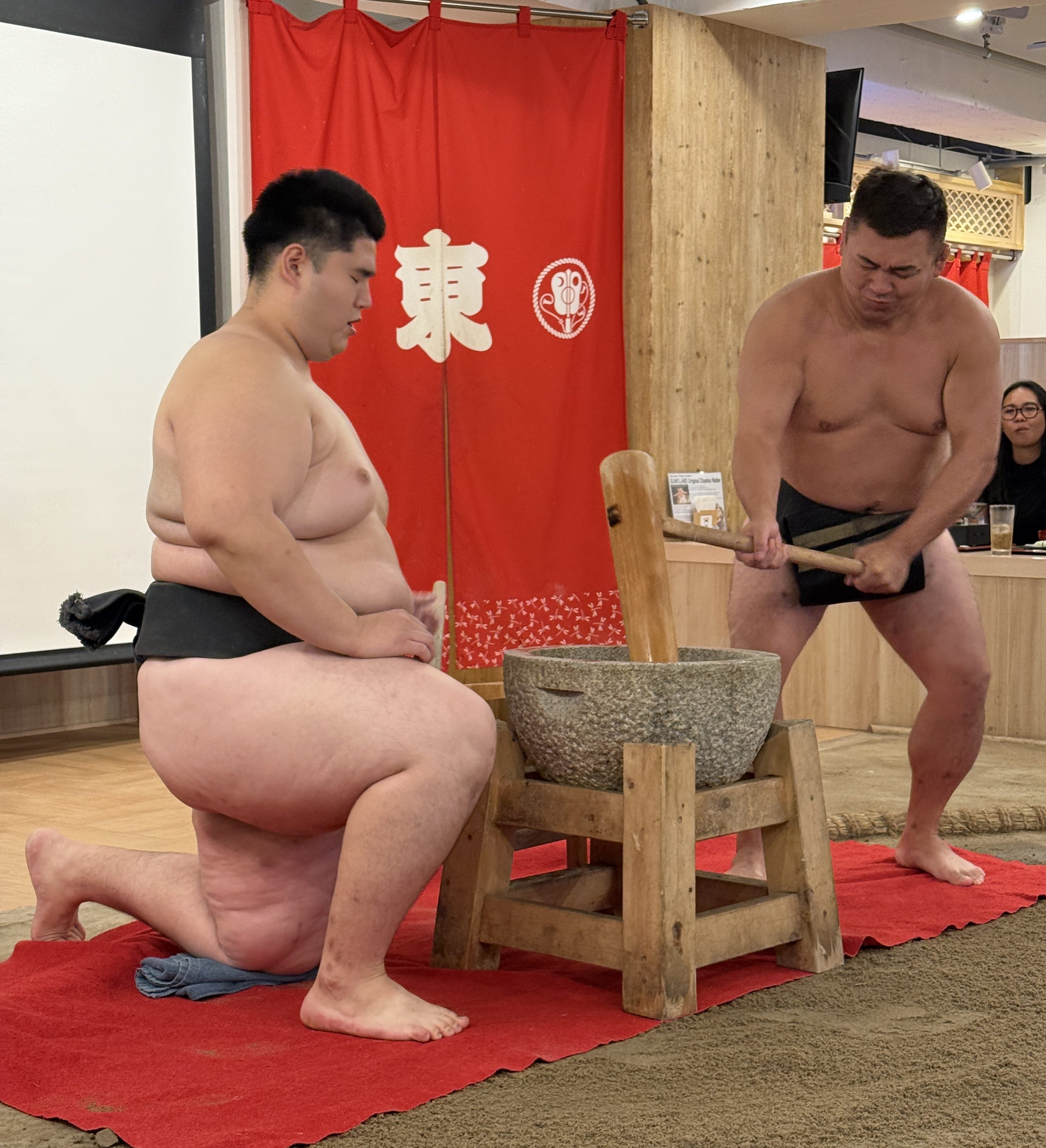
SumoLand also benefits from prebooking, though they fill up less quickly. Walk-ins are allowed, though not guaranteed. SumoLand Signature includes a meal, which I recommend. We had a lot of fun learning about Sumo, having a chance to try training or competing (optional, but ideally someone in your group wants to), and making mochi. Our kids 10 and 13 loved it, especially DS10 who is fascinated by Sumo.
Dawn Avatar Robot Cafe is a very popular cafe where homebound people operate avatars remotely to make and serve food. We didn’t go because it was fully booked, but if you’re interested in robot technology and avatars, it looks super cool. Definitely book ahead of time.
Many popular destinations and tourist sites fill quickly if they require tickets or reservations, so plan to do those early on in your planning.
Stores and Shopping
We did not do a ton of shopping, but some areas that are popular for shopping that work well with other sightseeing locations:
DiverCity Mall and the malls by Odaiba WaterFront–I wouldn’t repeat these, though the food court in DiverCity Mall was good and allowed everyone to have their preference. The Udon was great and DS10 loved getting a burger. But the malls are fairly typical, unless you really enjoy mall shopping. If you’re in the area and need an indoor break, it’s worth a stop but not a separate trip.
Senso-Ji–Nakamise Street between the gate and the temple–this has rows of shops with various touristy items. They mostly open closer to mid morning. There are also some covered streets nearby with various restaurants and shops.
Harajuku–this area is very near Meiji Jingu. If you enter Meiji Jingu from the northern Yogogi Station side, walk through the shrine and forest area (very pretty), and exit at the Harajuku Station end on the south, you’ll pop out by a lot of shopping. @Cosme is a large make up, skincare and haircare store. Takeshita Street is nearby and is packed with tons of shops, snacks, and cafes (and tons of people). Kiddyland is a multi-level toy and character store. From this area you can walk about 20 minutes to Shibuya.
Shibuya–home to the famous Shibuya Scramble Crossing (busiest pedestrian intersection in the world). Tons of shops all around. I recommend Loft, which has multiple floors with stationery, gifts, health and beauty, household goods, culture items, etc. Works well for families with various interests.
Don Quijote Ginza–discount store with various locations around Japan. The Ginza one is huge and chaotic. Very popular with tour buses, so go early. It is packed and crazy to navigate, but there are good prices and a wide range of items, including Japanese sweets, make up and beauty products, popular character items, household items, souvenirs, etc.
Hands Ginza–floors 5-9 of a mall. It has a huge range of items with each floor having a different focus. Stationery, beauty products, souvenirs, household items, travel goods, food, etc. If picking between Don Quijote and Hands, I’d pick Hands because it is very well organized and easier for browsing.
Tourist Stops
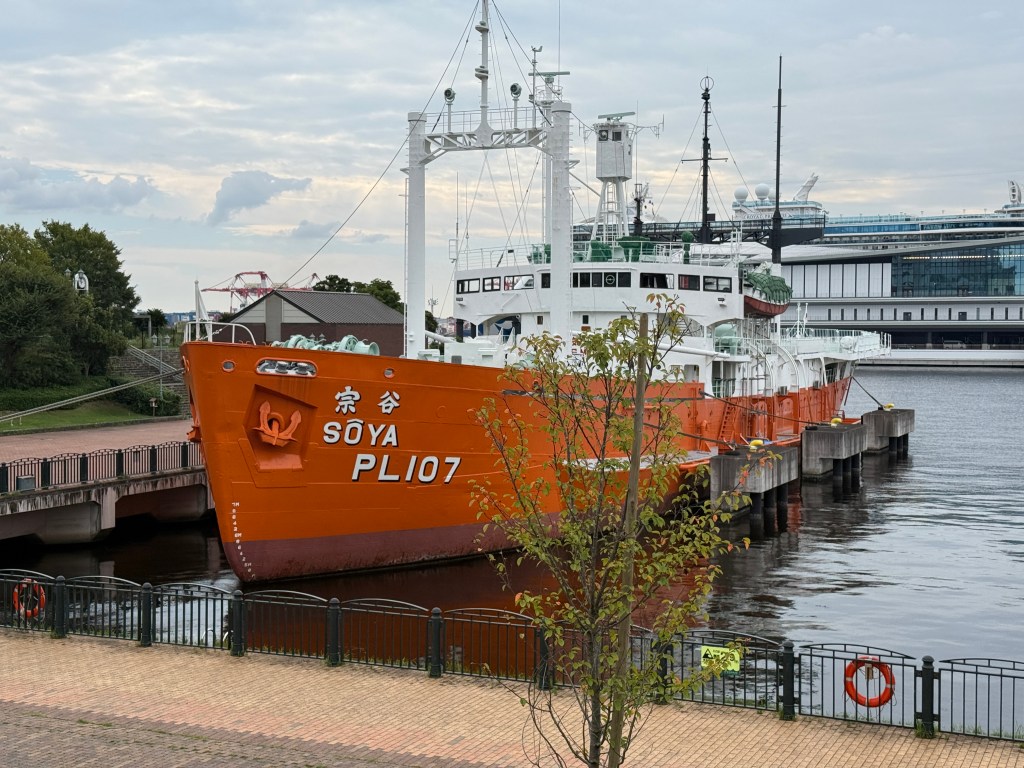
Soya–Japan’s First Antarctic Research Vessel in Odaiba. Free entry to explore the ship. Signs in Japanese and English. It was a spur-of-the-moment addition to our sightseeing as we saw it from the train entering Odaiba. If you like boats or Antactica, it was a fun little stop.
Odaiba Waterfront--walking paths and nice views of the bay, harbor and Tokyo skyline.
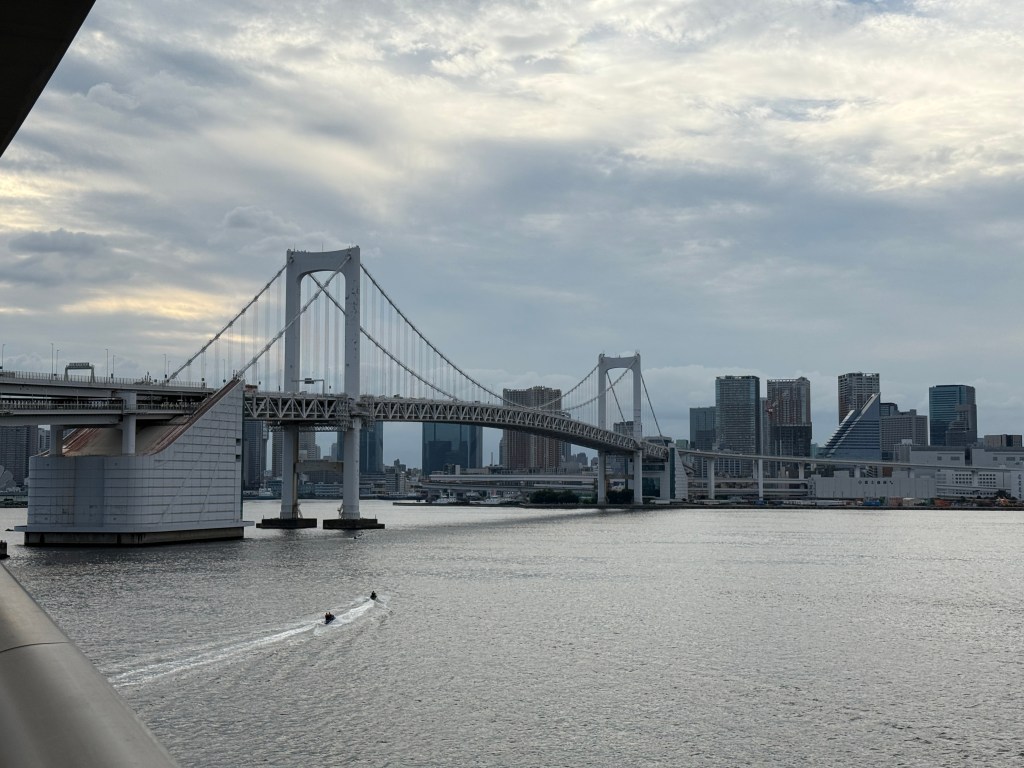
Rainbow Bridge–entry is from the very north end of the Odaiba Rainbow Park or from the opposite side. The pedestrian walkway has two options–views of Odaiba and the bay or views of the Tokyo skyline. We did the skyline side. It’s a nice walk and was pleasant temperatures when we did it, but wind could definitely make it chilly, so be prepared. It lights up at night, as does the skyline, though we did it during the day due to timing.
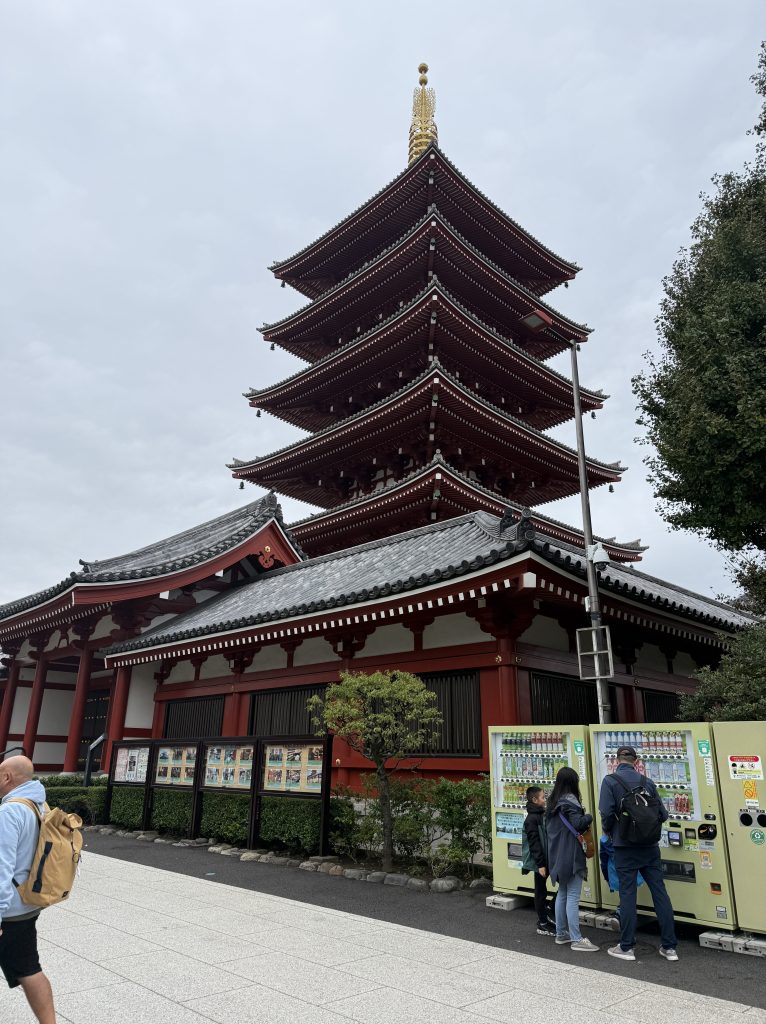
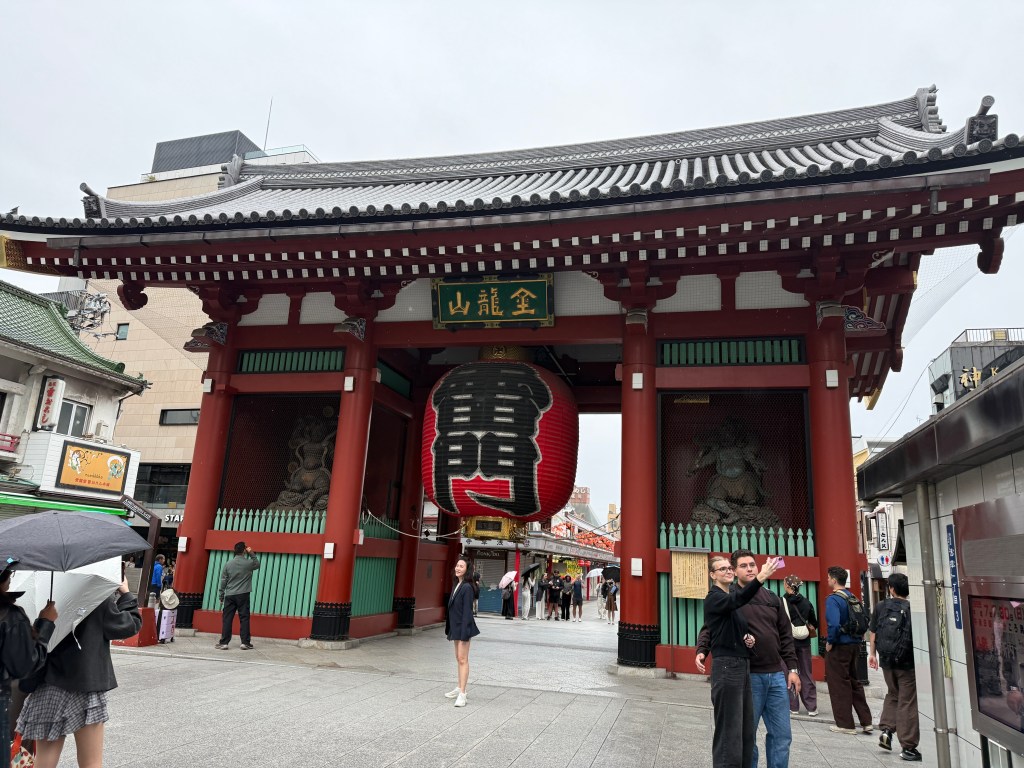
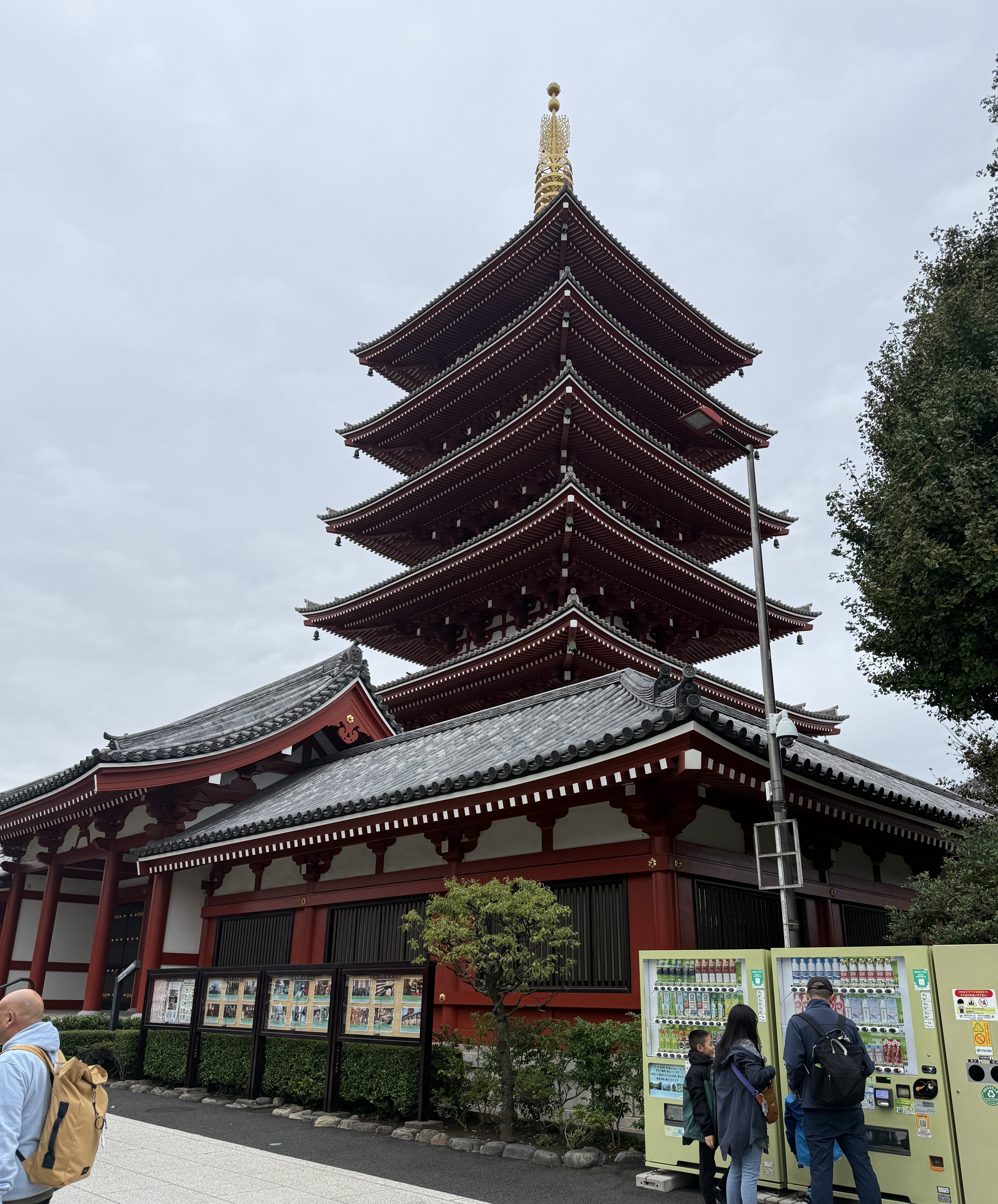
Senso-ji–famous gate and temple area. Fairly crowded, but worth seeing. Near some shopping areas.
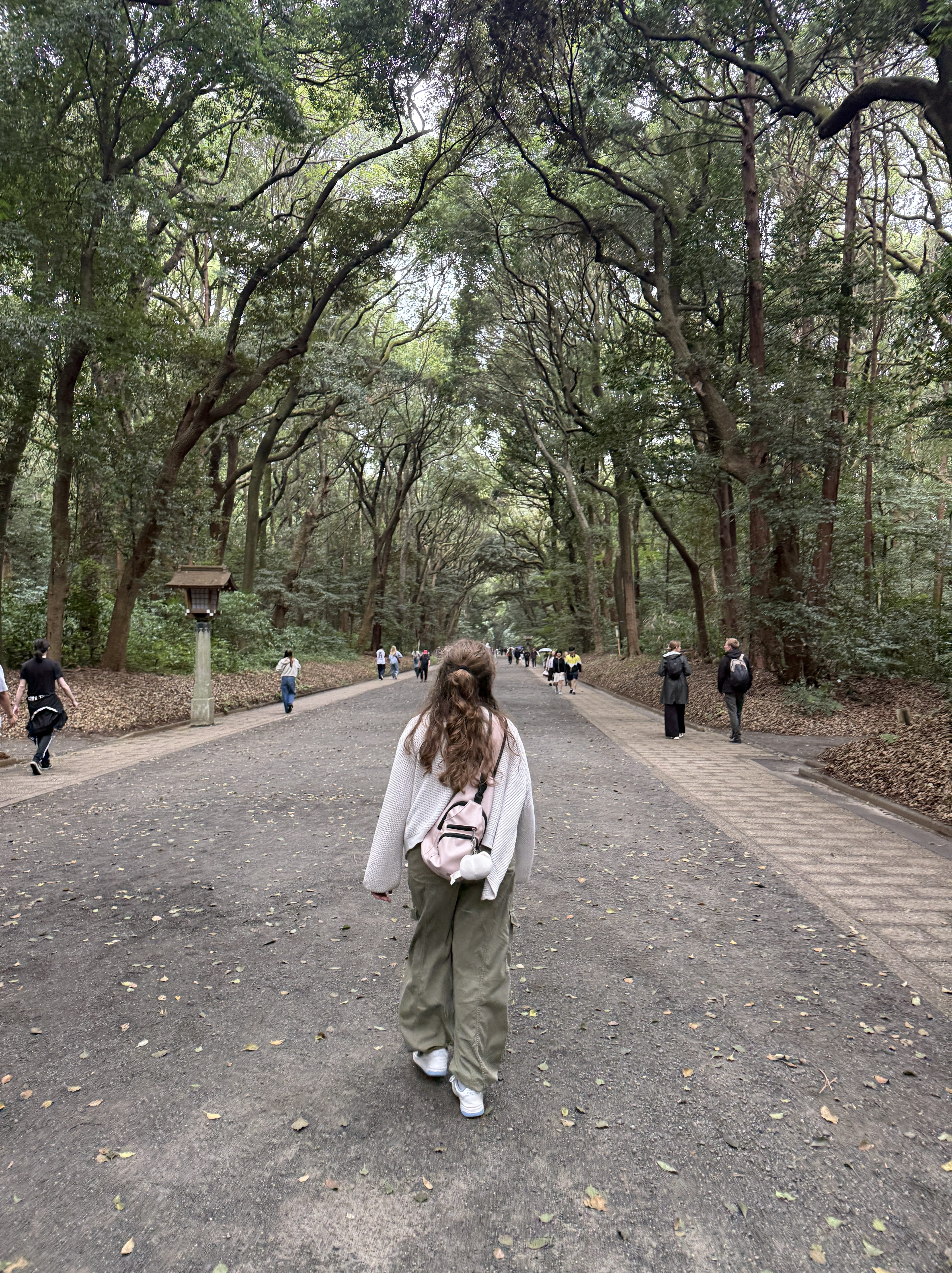
Meiji Jingu–Shinto shrine in a forested area. It is a large area and includes a long, but easy, forested walk to the shrine. Area also includes sake barrels, large torii (gates), and a cafe/rest area. Plan to enter from north and exit south or vice versa. Southern end has a lot of shopping at Harajuku.
There are many other options in Tokyo depending on interests and timings. The Imperial Palace, Tokyo Tower, National Museum, and the Museum of Nature and Science are also popular sites.
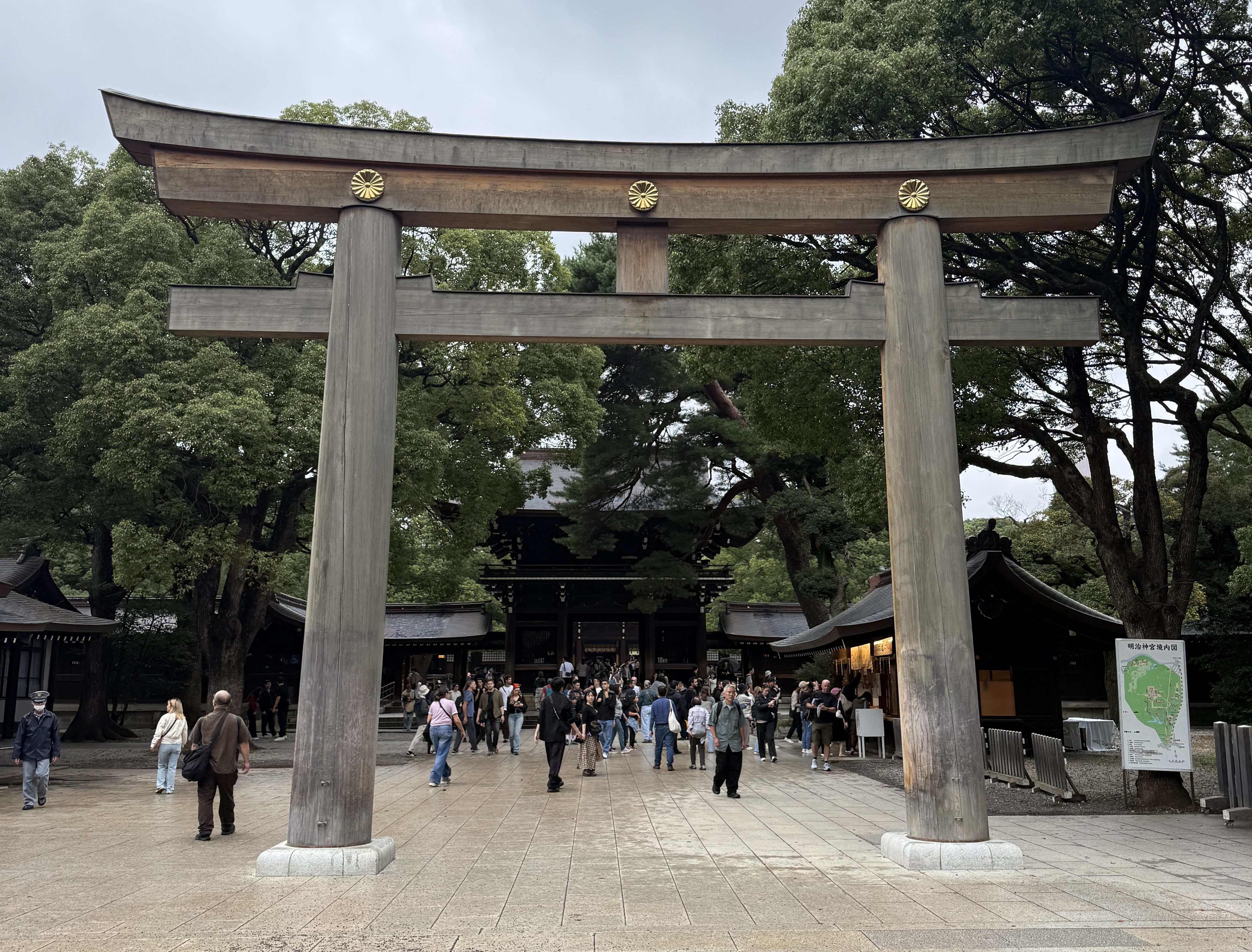
Transportation
We did a mix of taxi, Uber, bullet train, and local trains. Plus a TON of walking!
Taxi–we got from taxi stations near tourist sites. I believe you can hail off the streets. We also used the Uber app to call taxis and then paid via Uber.
Traditional Uber–this works as well in Tokyo. We only used the app for calling taxis, however.
Bullet Train–we took to/from Kyoto and departed from Tokyo Station. Prebook using the SmartEx train app.
Local trains–we used a Welcome Suica card. You can use an app, but with kids it was easier to have cards. You can buy at the airport, but we bought in Tokyo Station. For children prices (12 and under), you have to prove age with a passport. The JR East Customer Service Center is on the Marounochi Side. Very easy to buy. You preload with money. You CANNOT get change from it, so judge carefully. We did 2000 yen per adult and 1000 yen for DS10 (children pay half price) and that was the perfect amount for us. Luckily Suica cards (and any IC card) can be used in many smaller stores, like 7-11, as payment, so our last 50 yen or so we used to buy small snacks. You can top off during the week. Welcome Suica cards are only good for 28 days, making them great for tourists. A regular Suica card requires a deposit, but you can cash out the card.
For use, tap the card on the IC screen at the top of the entry/exit gates. There are several tap spots, so find the IC spot.
Once you buy bullet train tickets, you can also link your IC cards to your bullet train ticket, making it easy to use at the station. Otherwise, you need to go to a kiosk to print tickets.
Google Maps does a great job outlining routes and stations. Put in your start and end points and pick local transportation and get stations, trains, platforms, and more. It made navigating very easy.

